
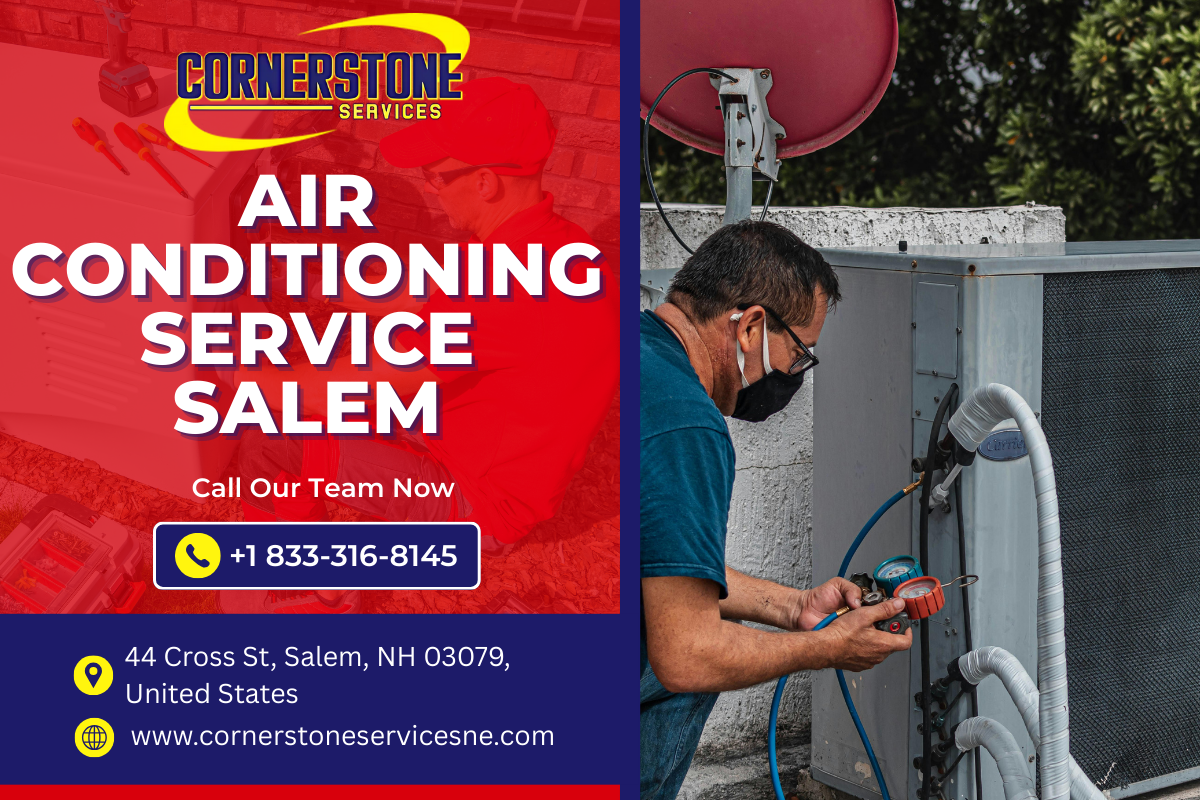
When the first real heat wave lands, phone lines at every shop light up at once. Homeowners in Salem who waited out the spring suddenly discover a grinding blower, a frozen coil, or a condenser fan that will not start. It is not just homes. Small retail spaces, salons, and offices call too, often with the same problem: a system pushed hard by back-to-back hot days. If you want to avoid being stuck on a long waitlist for HVAC repair, you need a plan before the forecast jumps. Scheduling smart does not mean booking months in advance blindly. It means knowing what triggers the surge, how dispatch teams triage calls, and how to position your request so it reaches the top of the pile when it matters.
What “peak season” really looks like
In Salem and the surrounding mid-Willamette Valley, the schedule crunch usually hits after two or three consecutive 90 degree days. We see a spike in drain clogs from high humidity, capacitor failures on condensers that start and stop more often, and dirty coils that cannot dump heat efficiently. By midday on a week like that, even reputable shops that pride themselves on same-day response move into 48 to 72 hour windows for non-emergencies. If weekend temperatures stay high, the backlog follows into Monday and Tuesday, and parts houses can run short on common components.
Technicians do not sit idle the rest of the year. But when load levels climb, every weak point in the installed base shows up at once. That is why you hear advice about regular service. It is not a sales pitch, it is a scheduling hedge. Preventive work spreads demand over the calendar so breakdowns do not pile up during the hottest weeks.
How HVAC dispatch really prioritizes calls
Most dispatch teams use a simple triage: no cooling for medically vulnerable occupants, right away if possible. Commercial contracts next, based on service-level agreements. Then residential no-cooling calls, followed by performance issues like uneven temperatures or noise. Maintenance sits at the end of the line during peak season, unless you booked it earlier. Photos and details can move you within that order. Clear evidence of a failed capacitor, a blown fuse, or an iced coil often leads to a quicker field fix than a vague complaint about “doesn’t feel right,” so schedulers will fit those in between longer jobs.
The tech’s drive path matters too. A tight cluster of jobs in South Salem might get grouped to avoid afternoon traffic on Commercial Street or Lancaster Drive. If you can be flexible with timing and location details, you can ride that routing wave. For people searching ac repair near me or air conditioning service, it pays to pick a provider with crews already working in your area that day.
The work you can do before you call
No one wants to hear “check your filter,” but the truth is that half the service calls that last under 20 minutes could have been solved without a truck roll. I am not telling you to fix your own system. I am telling you which simple checks keep you from waiting behind a dozen emergencies for something you can safely rule out.
First, confirm the thermostat is set to cool and the setpoint is below the current indoor temperature. Batteries inside the thermostat can cause erratic cooling as they weaken. If the thermostat is more than a few years old, carry a spare pack of AA or AAA. Second, look at your air filter. A 1 inch filter turns into a piece of cardboard when it loads up. If you hold it to a light and cannot see through, replace it. Third, check the breaker. Condensers can trip a breaker during a brownout or after a storm. If you reset it and it trips again, stop and call. Fourth, put eyes on the outdoor unit. If the fan blade is not spinning but you hear a humming sound, do not push it with a stick. That is a blown or weak capacitor, a quick fix for a tech, and a common same-day part.
These steps get you to a better, faster service interaction. When you call, you can tell the dispatcher what you saw, including the filter change, the thermostat reading, and the outdoor fan status. That tells them whether your job fits a quick-turn slot or needs a longer diagnostic window.
Maintenance timing that actually works
Annual maintenance is valuable, but the timing matters. In Salem, schedule cooling maintenance in late March through May, and heating maintenance in September through early November. That spacing does more than preserve equipment life. It also locks in schedule predictability when the weather is mild. The visit should include coil cleaning, drain flushing, electrical checks, refrigerant performance verification, and airflow measurements. You will also want a written condition report. If the technician flags a marginal capacitor or pitted contactor, replace it then. A $20 to $120 part swap in April is far cheaper than a compressor locked out in July.
Shops that advertise ac maintenance services in Salem often bundle this work into a membership. Read the terms. Good plans offer priority scheduling, discounted parts, and documented tune-ups. If the plan only includes a basic visual check and a filter change, you are not buying much insurance against peak-season waits.
Expect the parts squeeze and plan around it
During heat waves, local suppliers can run short on capacitors, contactors, fan motors, and common blower control boards. When supply tightens, every field tech carries a partial assortment, but not every motor or board is a match. Older systems and certain brands with proprietary control boards can mean overnight orders. If you own equipment between 10 and 15 years old, consider a pre-season audit that identifies model numbers and likely replacement parts. Some service companies will stage those parts for members, which turns a potential multi-day no-cool into a single-visit fix.
If your equipment is a rare brand or a hybrid setup, give that information when you call. A short note like “2011 air handler with ECM motor, model X, brand Y” helps the parts manager load the truck right the first time.
When repair crosses into replacement
On a 12 year old air conditioner with a failed compressor, the repair conversation looks different than on a 5 year old unit with a leaky Schrader valve. During peak season, even the best techs cannot erase lead times for replacement systems with a snap of the fingers. Air conditioner installation in Salem often books out 3 to 7 days during the hottest stretch, sometimes faster if ductwork is straightforward and the pad is in good shape. If you suspect your system is in the last third of its expected life and you want to avoid a long downtime, talk to an estimator before peak season about a like-for-like replacement plan, efficiency options, and financing. Keep those notes handy so you can fast-track a decision if a catastrophic failure hits in July.
A smart estimator will lay out scenarios with dollar ranges, not one rigid quote. For example, repair the leaking indoor coil now and run another 2 to 3 seasons, or replace with a 15 to 17 SEER2 system and recover some of the cost through lower power bills. In a market with high summer electricity rates, a 20 to 30 percent efficiency gain is not hypothetical. You can see that difference on the meter on a hot afternoon.
Making the call: what to say and what to have ready
Give dispatchers ac repair Salem Cornerstone Services - Electrical, Plumbing, Heat/Cool, Handyman, Cleaning what they need to help you. Start with your address, phone, email, and whether someone can be home during a rough arrival window. Briefly describe the problem and any safe checks you performed. Mention noises, smells, or icing. If you saw the evaporator coil frozen, tell them you turned the system off at the thermostat and left the fan on to thaw. That prevents technicians from arriving to a block of ice they cannot test through. If you smelled electrical burning, tell them whether the breaker tripped and whether the smell was indoors or outside. Avoid long backstories, but do share any recent work, including filter sizes and dates.
For those searching ac repair near me Salem, have your location details lined up. If your driveway is tight or blocked during certain hours, say so. Little bits of logistics help scheduling slide you into a route without guesswork.
What a good same-day visit looks like
I like to see a tech arrive with boot covers, a digital manifold or probes, a clamp meter, and a drain cleaning kit. On a no-cool call in summer, the tech will usually verify thermostat function, check the indoor blower, then head outside to the condenser. Expect electrical measurements first, then refrigerant pressures and temperatures. If the system is iced, they may pause the cooling and run the fan to thaw, or reschedule the refrigerant evaluation for later that day. Quick fixes include swapping a capacitor, replacing a contactor, cleaning a clogged drain, and removing debris from the condenser coil. Deeper work, like chasing a refrigerant leak or replacing a blower motor, takes longer.
Pay attention to how the technician explains findings. You should hear specific numbers: superheat, subcool, amp draw, delta-T across the coil. Vague comments about “looks good” without data do not help you decide on repairs. Ask for photos of worn parts or corroded connections. Most shops gladly document this for you.
The difference a clean drain makes
It sounds simple, but in humid stretches, a blocked condensate line takes down as many systems as failed parts. High-efficiency evaporator coils generate a steady stream of water that has to leave through a trap and line. Algae and dust mix into a sludge that seals inside elbows or at the trap. A quality air conditioning service includes a flush, trap inspection, and often a safety float switch to shut off the system if the pan fills. If you had a water event from an overflow before, insist on a float switch and a clear line with an accessible cleanout. That little switch protects drywall, floors, and ceilings, and it spares you a weekend panic.
Working around the weather
Technicians cannot control outdoor temperature, but they can schedule strategically. Early morning visits let condensers and coils start closer to ambient and reduce icing risk during the test. Late afternoon visits can stress the system to see worst-case performance. If you have flexibility, ask where your case fits best. A weak compressor that barely starts at 75 degrees might fail outright at 97, which reveals the true problem. On the other hand, a duct restriction might show more clearly in the morning when humidity is lower and latent loads shift.
For businesses that rely on cooling for customers, such as tasting rooms or boutique retailers in downtown Salem, consider temporary measures like spot coolers if a repair needs parts. Suppliers rent portable evaporative coolers and small ducted units that keep a space workable while you wait two days for a blower module.
Cost awareness without the guesswork
People ask for ballpark prices over the phone. It is fair to request ranges, but be prepared for variability. In this region, a basic capacitor replacement might land in the $150 to $300 range, including the service visit, brand, and warranty. Clearing a condensate clog ranges widely, from a quick cleanout to a multi-hour crawl in an attic fishing a line. Fan motors, especially ECM models, can run several hundred dollars in parts alone. Compressor replacements land in the thousands with refrigerant recovery and recharge. A good dispatcher will give you ranges and note that the technician will confirm before work starts.
Use those ranges to decide what to authorize immediately and what to review. If the tech proposes a part replacement under a few hundred dollars and the diagnostic points clearly to it, you typically save time by approving on the spot. If the recommendation is a major repair on a 13 year old unit, pause to weigh replacement. Reliable air conditioning repair in Salem includes that honest fork-in-the-road conversation.
The role of airflow and ductwork in “noisy” summers
Every summer, we visit homes with rooms that never cool properly. Poor airflow often hides behind the complaint. Static pressure at the air handler should sit within the manufacturer’s range. Undersized return ducts, long flex runs crushed under stored boxes, or closed doors without transfer paths all sabotage cooling. During peak season, few shops have bandwidth for major duct renovations, but a tech can measure static, identify choke points, and sometimes make targeted fixes that deliver better performance in an afternoon. If you cannot get a full duct job scheduled until fall, simple changes like opening returns, adding jump ducts, or removing kinks in flex can carry you through.
Smart thermostats are not magic, but they help dispatch
Connected thermostats provide run-time history, temperature trends, and error codes that help a tech prepare. If your thermostat flags a high-pressure lockout at 3 pm on hot days, that points to airflow or condenser performance. Share those screenshots. If you do not want a connected device, a simple indoor thermometer and a note about runtime patterns works too. Consistent data speeds up diagnosis and shortens visits, which helps you and the shop fit into a crowded day.
Picking a service company without playing roulette
Search terms like ac repair near me or air conditioning service return long lists and paid ads. In Salem, look for a few concrete signals instead of chasing star counts alone. Ask whether the company employs NATE-certified techs, whether they stock common parts on their trucks, and whether they provide written measurements with the invoice. Check if they handle both air conditioning repair and maintenance, not just installs. If they offer 24/7 emergency support, clarify any after-hours premiums before you agree.
Talk to neighbors about their experience. The best referral is the person who had an issue on a hot Saturday and still felt taken care of. A company that communicates clearly about arrival windows, parts availability, and realistic timelines stands out during peak loads.
If your summer is the time to finally replace
When you decide to replace, staging matters. A crew can often swap a straightforward split system in a single day. Complications like line set routing through finished walls, attic access limitations, or neglected electrical disconnects add time. Air conditioner installation in Salem commonly includes permitting and a final inspection, and reputable installers coordinate both. If your local utility offers rebates for higher efficiency systems or smart thermostats, the installer should handle the paperwork. Ask how they protect landscaping around the condenser pad and what they do with the old equipment, including refrigerant recovery.
Efficiency ratings changed under SEER2, so do not compare old SEER numbers to new labels one-to-one. Ask for an apples-to-apples energy estimate based on your home, ducting, and usage patterns. If you might add heat pump capability for shoulder seasons, discuss dual-fuel setups and whether your electrical panel can support the load. Summer is not always the cheapest time to install, but if the system fails hard, waiting two months typically costs more in discomfort and temporary fixes.
The long game: making peak season boring
The real victory is a July where your HVAC system feels like background noise. That does not happen by accident. Solid maintenance, a clean drain, a fresh filter, and a few informed decisions get you there. For homeowners in Salem, book the spring check, fix the minor items the tech finds, and keep a spare filter on hand. Take photos of model numbers and keep them in your phone. If you rent, talk to your property manager about their process for HVAC repair before the heat arrives and keep their preferred vendor number ready. For small businesses, schedule a pre-summer walkthrough that includes a filter inventory plan, a clear drain line access point, and a phone tree for after-hours issues.
When a heat wave hits, do the small things. Close blinds on west-facing windows in the afternoon, crack interior doors to encourage return airflow, and avoid turning the thermostat down to 60 with the hope it cools faster. It will not. Set a reasonable target and give the system a chance to maintain. If you have to call for air conditioning service in Salem, share concise details, offer schedule flexibility, and be ready to approve the simple fixes. That approach pulls you forward in a packed schedule without special favors.
A short, practical checklist for peak-season calls
- Confirm thermostat settings and replace batteries if applicable, note current room temperature. Inspect and replace the air filter if it is visibly loaded, keep the old one to show the tech. Check the outdoor unit for a running fan or an obvious hum, listen for unusual noises, note icing. Look at the breaker panel for a tripped breaker, do not repeatedly reset a breaker that trips again. Gather model and serial numbers, take photos of the equipment and any error codes, and prepare access to indoor and outdoor units.
Where local context helps
Salem’s mix of housing stock includes older homes with partial duct retrofits, ranch homes with crawlspaces, and newer builds with tighter envelopes. Each has quirks during heat spikes. Crawlspaces can harbor damp return leaks that pull musty air into the system, especially when set to run longer. Attic air handlers bake in high attic temperatures, which stresses electronics and motors. If you live in a home with an attic unit, talk to your tech about insulation, radiant barriers, and ventilation, not just the AC itself. Small tweaks to the attic environment can extend component life and moderate peak loads.
Local microclimates matter too. Homes on the west side with afternoon sun catch higher late-day gains than shaded east-side homes. If you plan landscaping, consider shade trees on the west and southwest exposures and keep at least 2 to 3 feet of clearance around the condenser. Trust me, we have pulled cottonwood fluff out of coils so thick you could sculpt it. That alone can swing high-side pressure and trigger safeties.
Why this still comes down to relationships
You can get a one-off fix from almost anyone when the weather is mild. When it is 96 and humid, you want a number you can call that picks up, knows your system, and cares enough to fit you in. Those relationships are built during the quiet months with straightforward maintenance, fair pricing, and honest advice. If you have had a reliable experience with air conditioning repair in Salem, stick with that company and commit to their tune-up schedule. They will likely return the favor when things get busy.
If you are new in town, do a small test outside peak season. Book a maintenance visit, evaluate the thoroughness, and watch how they handle minor findings. That trial tells you whether they will be a good partner when your system acts up in July.
If you are staring at the forecast now
If the forecast shows a heat stretch next week, take a few steps today. Change your filter, clear debris from around the outdoor unit, and run a short cooling cycle to confirm normal startup. If anything sounds off, make the call before the first 90 degree day. Mention your flexibility and your willingness to accept a text heads-up for a short-notice arrival. If you do not have a preferred provider, search for ac repair near me Salem and focus on companies with real availability, not just ads. Ask for the earliest diagnostic window, not the perfect time slot. Early birds get on the route for the day, and cancellations go to the people already in the system.
Peak season does not have to be a gamble. With a little planning, a clear description when you call, and an understanding of how shops triage and dispatch, you can keep your home comfortable while everyone else scrambles. And when you do need help, Salem has plenty of skilled teams ready to provide air conditioning ac repair service, maintenance, and if it comes to it, a well-executed replacement.
Cornerstone Services - Electrical, Plumbing, Heat/Cool, Handyman, Cleaning
Address: 44 Cross St, Salem, NH 03079, United States
Phone: (833) 316-8145